
Navigating Appraisal Reimbursement
Maximize Your Appraisal Reimbursement Potential
Discover when and how you can recover costs associated with vehicle appraisals in total loss claims. Learn strategic approaches to ensure you're not left out of pocket.
Eligibility Criteria
Understand the specific conditions under which you can claim reimbursement for appraisal expenses.
Documentation Required
Gather the necessary paperwork to support your reimbursement request effectively.
Strategic Appraisal Payments
Identify situations where paying for an appraisal can enhance your total loss settlement.
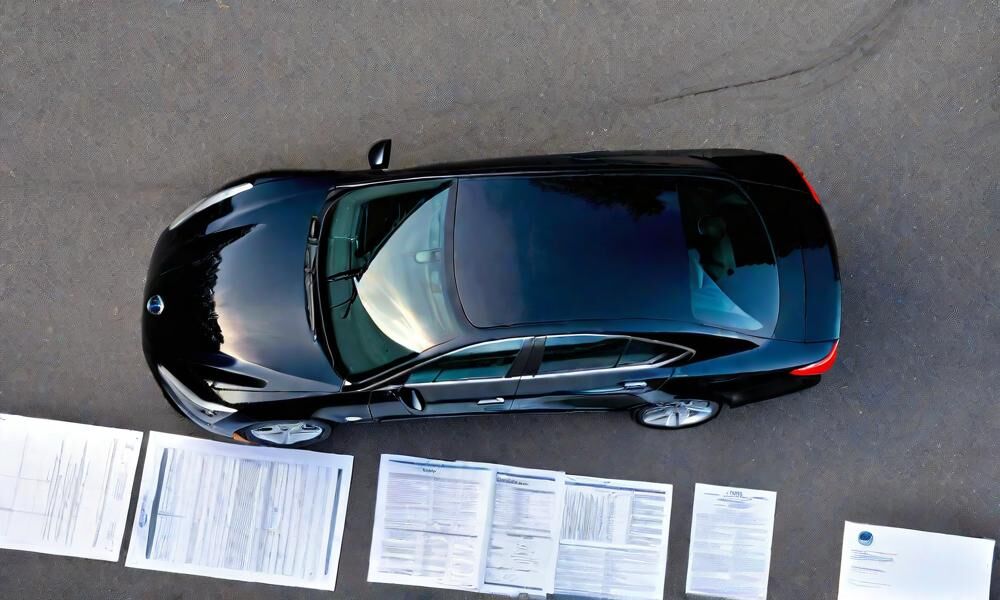
Importance of Appraisal Reimbursement
In the complex landscape of total loss claims, understanding reimbursement for appraisal-related expenses is crucial. These costs can significantly impact your financial recovery, and knowing when you're entitled to reimbursement can save you money. Appraisals provide a detailed valuation of your vehicle, which can be pivotal in disputes with insurance companies. By comprehending the reimbursement process, you ensure that you're not unfairly burdened with appraisal costs, allowing you to focus on negotiating a fair settlement.
Strategic Financial Planning
Effective financial planning in total loss claims involves anticipating potential expenses, including appraisal fees. By preparing for these costs and knowing the reimbursement avenues available, you can strategically manage your claim. This foresight not only aids in financial recovery but also empowers you to make informed decisions throughout the claims process, ensuring you maximize your settlement.

Common Reimbursement Scenarios
Explore the various situations where you might be eligible for reimbursement of appraisal costs, ensuring you leverage every opportunity to recover your expenses.
When can I request reimbursement for appraisal costs?
You can request reimbursement when your insurance policy includes an appraisal clause, or if the appraisal was necessary to dispute a low valuation. Ensure you have all required documentation to support your claim.
What documentation is needed for reimbursement?
Typically, you'll need a copy of the appraisal report, proof of payment for the appraisal, and any correspondence with your insurance company regarding the claim. These documents help substantiate your reimbursement request.
Is paying for an appraisal always beneficial?
Paying for an appraisal is beneficial when you suspect your vehicle's valuation is underestimated. A professional appraisal can provide a more accurate value, strengthening your position in negotiations with the insurer.

1
Initiate Your Reimbursement Request
2
Submit Required Documents
3
Follow Up and Confirm
Essential Documentation for Reimbursement
Proof of Payment
Provide a copy of the receipt or bank statement showing payment for the appraisal.
Include any invoices from the appraisal service provider.
Ensure the document clearly states the amount paid and the date of payment.
Highlight the service description to confirm it pertains to the appraisal.
Attach any correspondence with the appraisal company confirming payment.
Appraisal Report
Submit the full appraisal report detailing the vehicle's assessed value.
Ensure the report is signed by a certified appraiser.
Include any notes or comments made by the appraiser regarding the valuation.
Provide a cover letter summarizing the key findings of the appraisal.
Attach any additional documentation that supports the appraisal's conclusions.
Insurance Correspondence
Include copies of all communication with your insurance company regarding the appraisal.
Highlight any agreements or acknowledgments from the insurer.
Provide email threads or letters that discuss the appraisal and reimbursement.
Attach any responses from the insurer confirming receipt of your documents.
Include any additional requests made by the insurer for further information.
Personal Identification
Submit a copy of your driver's license or another form of identification.
Ensure the ID is valid and matches the name on the insurance policy.
Include proof of address if it differs from the ID.
Attach any additional identification required by the insurance company.
Provide a notarized statement if necessary to verify identity.
Vehicle Ownership
Submit a copy of the vehicle's title or registration.
Ensure the document clearly shows your ownership of the vehicle.
Include any lienholder information if applicable.
Attach a bill of sale if the vehicle was recently purchased.
Provide any additional documentation that proves ownership.
Additional Support
Include any expert opinions or additional appraisals that support your claim.
Attach photographs of the vehicle that were used in the appraisal.
Provide any market research or comparable sales data that supports the appraisal value.
Include any legal documents if there is a dispute over the appraisal.
Attach any other relevant documents that strengthen your reimbursement request.
Communication Log
Maintain a detailed log of all communications with the insurer.
Include dates, times, and summaries of each interaction.
Attach any written correspondence as evidence of communication.
Provide notes from phone calls, including the names of representatives spoken to.
Ensure the log is comprehensive and up-to-date.
Reimbursement Form
Complete and submit the insurer's reimbursement request form.
Ensure all sections of the form are filled out accurately.
Attach the form to your documentation package.
Include any additional forms required by the insurer.
Provide a cover letter explaining your reimbursement request.
Strategic Benefits of Appraisals
Maximizing Your Appraisal Investment
Paying for an appraisal can be strategically beneficial when you suspect your vehicle's value is higher than what the insurance company offers. A professional appraisal provides a detailed, unbiased assessment of your vehicle's worth, often uncovering value that insurers overlook. This is particularly advantageous if your vehicle has unique features or modifications that add to its market value. Additionally, an appraisal can serve as a powerful negotiation tool, giving you leverage to challenge lowball offers and ensure a fair settlement. By investing in an appraisal, you gain a comprehensive understanding of your vehicle's true value, empowering you to make informed decisions and potentially increase your total loss payout.

Maximize Your Settlement with Expert Appraisals
Unlock the full potential of your total loss claim by enlisting professional appraisal services. Our experts at Total Loss are here to ensure you receive the fair payout you deserve. Don't leave money on the table—take control of your settlement today.