Master Your Total Loss Claim
Strategies for Maximizing Your Insurance Settlement
Navigate the complexities of total loss claims with confidence. Our expert tips and strategies empower you to secure the settlement you deserve, ensuring no detail is overlooked.
Effective Documentation Strategies
Proper documentation is crucial in supporting your total loss claim. Learn how to gather and organize evidence to strengthen your case.
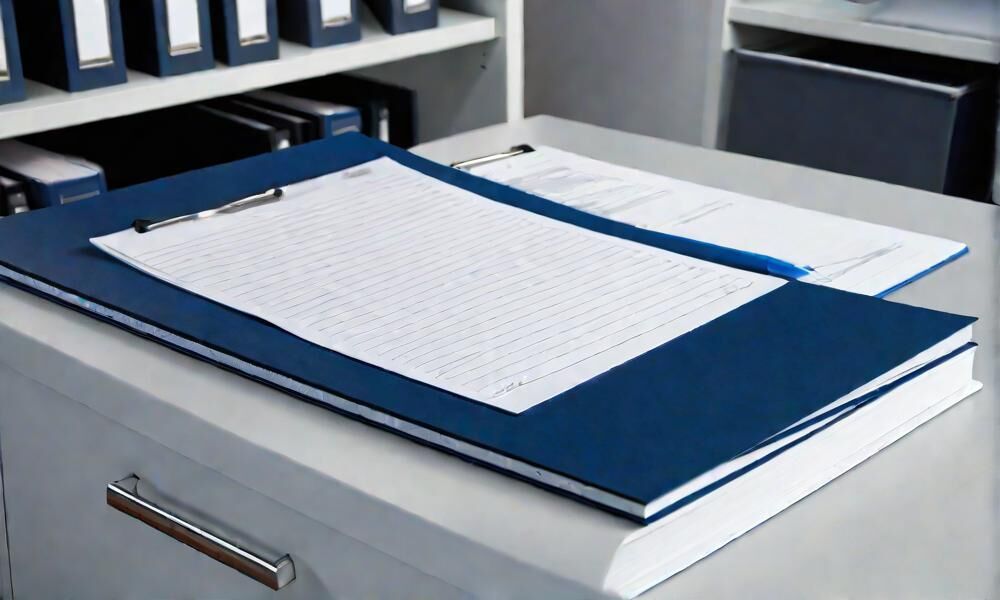
Gathering Essential Evidence
Collect all relevant documents, including repair estimates, vehicle photos, and maintenance records. These will serve as critical evidence in your claim.
Organizing Your Documentation
Ensure all documents are neatly organized and easily accessible. Use digital folders to categorize by type and date for quick reference during negotiations.
Creating a Comprehensive Claim File
Compile a detailed claim file that includes all correspondence with your insurer, copies of submitted documents, and a timeline of events.
Understanding Insurance Adjuster Reports
Familiarize yourself with how adjusters evaluate claims. This knowledge will help you identify discrepancies and prepare counterarguments.
Presenting Your Case Effectively
Develop a clear and concise presentation of your documentation to present to the insurance adjuster, highlighting key points that support your claim.
Avoiding Common Documentation Mistakes
Ensure accuracy and completeness in your documentation to avoid delays and disputes. Double-check all details before submission.

Finding Strong Comparable Vehicles
Discover how to select the best comparable vehicles to support your valuation argument. Learn to analyze market listings, consider vehicle condition, and adjust for differences to build a compelling case for a fair payout.

Crafting a Persuasive Valuation Argument
When presenting a valuation argument to your insurance company, it's crucial to be both detailed and strategic. Start by gathering comprehensive documentation of your vehicle's condition prior to the loss. This includes maintenance records, recent upgrades, and any customizations that add value. Utilize market data to find comparable vehicles that truly match your car's make, model, and condition. Highlight any discrepancies in the insurance company's initial valuation report, and prepare to present your findings clearly and confidently. Remember, the goal is to substantiate your claim with evidence that supports a higher payout.

Mastering Timing and Negotiation Tactics
Negotiation Strategies for Better Settlements
Timing can significantly impact your settlement outcome. Begin negotiations promptly, but ensure you have all necessary documentation before making your case. Be aware of the insurance company's deadlines and use them to your advantage, but don't rush into accepting an offer. During negotiations, maintain a calm and professional demeanor. Clearly articulate your valuation argument, and be prepared to counter low offers with evidence. Understand the adjuster's role and leverage any delays or inconsistencies in their process to strengthen your position. Persistence and patience are key to securing a fair settlement.
Avoiding Costly Mistakes in Total Loss Claims
Understanding common pitfalls in the claims process can save you money and frustration. Here are some frequently asked questions to guide you.
What documentation should I gather for my claim?
Collect all relevant documents, including maintenance records, photos of the vehicle, and any receipts for recent repairs or upgrades. This evidence supports your valuation argument and helps counter low initial offers.
How can I avoid accepting a low initial offer?
Never accept the first offer without reviewing it thoroughly. Compare it against your own research and market data. If it's significantly lower, prepare a counteroffer with supporting evidence.
What are common mistakes when disputing a valuation?
A common mistake is not having enough evidence to support your claim. Always back up your arguments with solid data and comparable vehicle listings.
How do insurance companies use timing against consumers?
Insurance companies may delay the process to pressure you into accepting a lower offer. Stay organized, respond promptly, and don't let deadlines rush you into a decision.
Why is it important to understand the adjuster's role?
Knowing the adjuster's role helps you communicate more effectively and anticipate their negotiation tactics. This knowledge can give you an edge in discussions.
What should I do if I encounter errors in the valuation report?
Identify and document any errors, then present your findings to the insurance company with a request for correction. Use this opportunity to reinforce your valuation argument with additional evidence.
Maximize Your Total Loss Settlement Today
Unlock the potential of your total loss claim by implementing our expert strategies. From meticulous documentation to mastering negotiation tactics, each tip is designed to empower you in securing a fair payout. Don't leave money on the table—take action now and transform your claim outcome with confidence.